The Fireball Plant: A Guide to Growing and Caring for this Fascinating Species
If you're looking for a unique and eye-catching plant to add to your collection, look no further than the fireball plant. With its fiery red flowers and vibrant green foliage, this species is sure to be a conversation er in any room. But what exactly is a fireball plant, and how can you ensure that it thrives in your care? In this article, we'll explore everything you need to know about this fascinating and beautiful species.
The fireball plant (scientific name: Crossandra infundibuliformis) is a tropical evergreen shrub that is native to India, Sri Lanka, and other parts of Southeast Asia. It belongs to the family Acanthaceae, which includes hundreds of species of flowering plants. The fireball plant is known for its striking blooms, which range in color from bright red to orange and yellow. The flowers are tubular in shape and grow in clusters on the ends of the stems.
In addition to its beauty, the fireball plant is also valued for its medicinal properties. In traditional Ayurvedic medicine, the plant has been used to treat a variety of ailments, including respiratory infections, skin conditions, and digestive issues. Today, it is still used in some herbal remedies and supplements.
Now, let's dive deeper into some key aspects of growing and caring for the fireball plant.
Planting and Soil
The fireball plant prefers well-draining soil that is rich in organic matter. It does best in a slightly acidic soil with a pH between 5.5 and 6.5. If you're planting the fireball plant in a pot, choose a container that is at least twice the size of the root ball. This will give the roots plenty of room to grow.
When planting the fireball plant, be sure to place it in a spot that receives plenty of bright, indirect sunlight. Direct sunlight can scorch the leaves and flowers, so it's best to provide some shade during the hottest part of the day.
Watering
The fireball plant likes to be kept consistently moist, but not waterlogged. Allow the top inch of soil to dry out between watering sessions, and be sure to water deeply enough that the water reaches all the way to the roots. Avoid getting water on the leaves or flowers, as this can cause them to rot.
During the winter months, reduce watering frequency to once every two weeks or so. This will help prevent overwatering, which can be especially problematic in cooler temperatures.
Fertilizing
To keep your fireball plant healthy and thriving, fertilize it every two weeks during the growing season (typically spring and summer). Use a balanced fertilizer with an equal ratio of nitrogen, phosphorus, and potassium. You can also use a slow-release fertilizer that will gradually release nutrients into the soil over time.
Pruning
Pruning the fireball plant is essential for maintaining its shape and promoting healthy growth. The best time to prune is in early spring, before new growth begins. Use sharp, clean pruning shears to remove any dead or diseased branches, as well as any stems that are crossing or rubbing against each other.
You can also prune the fireball plant to encourage bushier growth by cutting back the tips of the stems. This will encourage the plant to produce more lateral shoots, resulting in a fuller, more compact appearance.
Propagation
The fireball plant can be propagated through stem cuttings or division. To propagate through stem cuttings, take a 3-4 inch cutting from the end of a healthy stem. Remove the lower leaves and dip the cut end in rooting hormone powder. Plant the cutting in a pot filled with moist potting soil, and keep it in a warm, humid location until roots begin to form.
To propagate through division, gently remove the fireball plant from its pot and carefully separate the root ball into two or more sections. Replant each section in its own pot, taking care not to damage the roots.
Pests and Diseases
Like any plant, the fireball plant is susceptible to certain pests and diseases. The most common pests that affect this species include spider mites, aphids, and mealybugs. To prevent infestations, keep the plant clean and free of debris, and inspect it regularly for signs of insect activity. If you do notice pests, try using an insecticidal soap or neem oil spray to eliminate them.
The fireball plant is also prone to fungal diseases such as powdery mildew and root rot. To prevent these issues, be sure to provide good air circulation around the plant and avoid overwatering. If you do notice signs of fungal disease, treat the plant with a fungicide according to the package instructions.
Common Varieties
There are several different varieties of fireball plant available, each with its own unique characteristics. Some popular varieties include:
- 'Orange Marmalade': This variety has bright orange flowers and dark green foliage.
- 'Mona Lisa': This cultivar has deep red flowers and glossy green leaves.
- 'Tropic Flame': This variety has fiery red-orange blooms and bronze-tinted foliage.
Using the Fireball Plant
In addition to being a beautiful ornamental plant, the fireball plant can also be used in a variety of other ways. Here are just a few ideas:
- Cut flowers: The vibrant blooms of the fireball plant make excellent cut flowers for arrangements and bouquets.
- Herbal remedies: As mentioned earlier, the fireball plant has been used for centuries in traditional medicine. You can make a tea or tincture from the leaves and flowers to treat various ailments.
- Indoors or outdoors: The fireball plant is versatile enough to be grown both indoors and outdoors, making it a great choice for home gardens, patios, and balconies.
The fireball plant is a fascinating and beautiful species that is sure to impress anyone who sees it. By following these tips for planting, watering, fertilizing, pruning, and caring for your fireball plant, you can ensure that it thrives and continues to provide joy and beauty for years to come.
Frequently Asked Questions
Q1: What is the ideal temperature range for growing a fireball plant?
A1: The fireball plant prefers temperatures between 60 and 75 degrees Fahrenheit.
Q2: How often should I water my fireball plant?
A2: Water your fireball plant when the top inch of soil feels dry to the touch.
Q3: Can I grow a fireball plant from seed?
A3: Yes, but it can be challenging. It's generally easier to propagate through stem cuttings or division.
Q4: What kind of fertilizer should I use for my fireball plant?
A4: Use a balanced fertilizer with an equal ratio of nitrogen, phosphorus, and potassium.
Q5: How can I prevent pests from infesting my fireball plant?
A5: Keep the plant clean and free of debris, and inspect it regularly for signs of insect activity. If you do notice pests, try using an insecticidal soap or neem oil spray to eliminate them.
Q6: Can I grow a fireball plant in a hanging basket?
A6: Yes, as long as the basket is large enough to accommodate the plant's root ball.
Q7: How frequently should I prune my fireball plant?
A7: Prune your fireball plant once per year, in early spring.
Q8: What is the blooming season for a fireball plant?
A8: The fireball plant typically blooms from late spring through early fall.
Q9: Where should I place my fireball plant to ensure it gets enough sunlight?
A9: Place your fireball plant in a spot that receives bright, indirect sunlight.
Q10: How can I tell if my fireball plant is getting too much water?
A10: If the leaves are turning yellow or brown and feeling mushy, this could be a sign of overwatering.
10 Fireball plant Images

Hot Sale Unique Blue Fireball Dahlia Seeds Beautiful Flower Seeds

Bromeliad Plants Pictures And Names Fireball Bromeliad By Anathera1

Geum Fireball Large Plant Perennial Biennial Plants Thompson

Dendrobium Stardust Fireball Plants Flowers Growing

Regarded As An Improved Version Of Geum Fireball Geum Fire Storm

Fireball Hibiscus Hibiscus Plants Flowers

Hibiscus Fireball Quart Plant Hardy Hibiscus Hibiscus Red Plants

Allens Fire Ball Dahlia Plants Growing

Fireball Deciduous Azalea Plants Cuphea Plant Azaleas
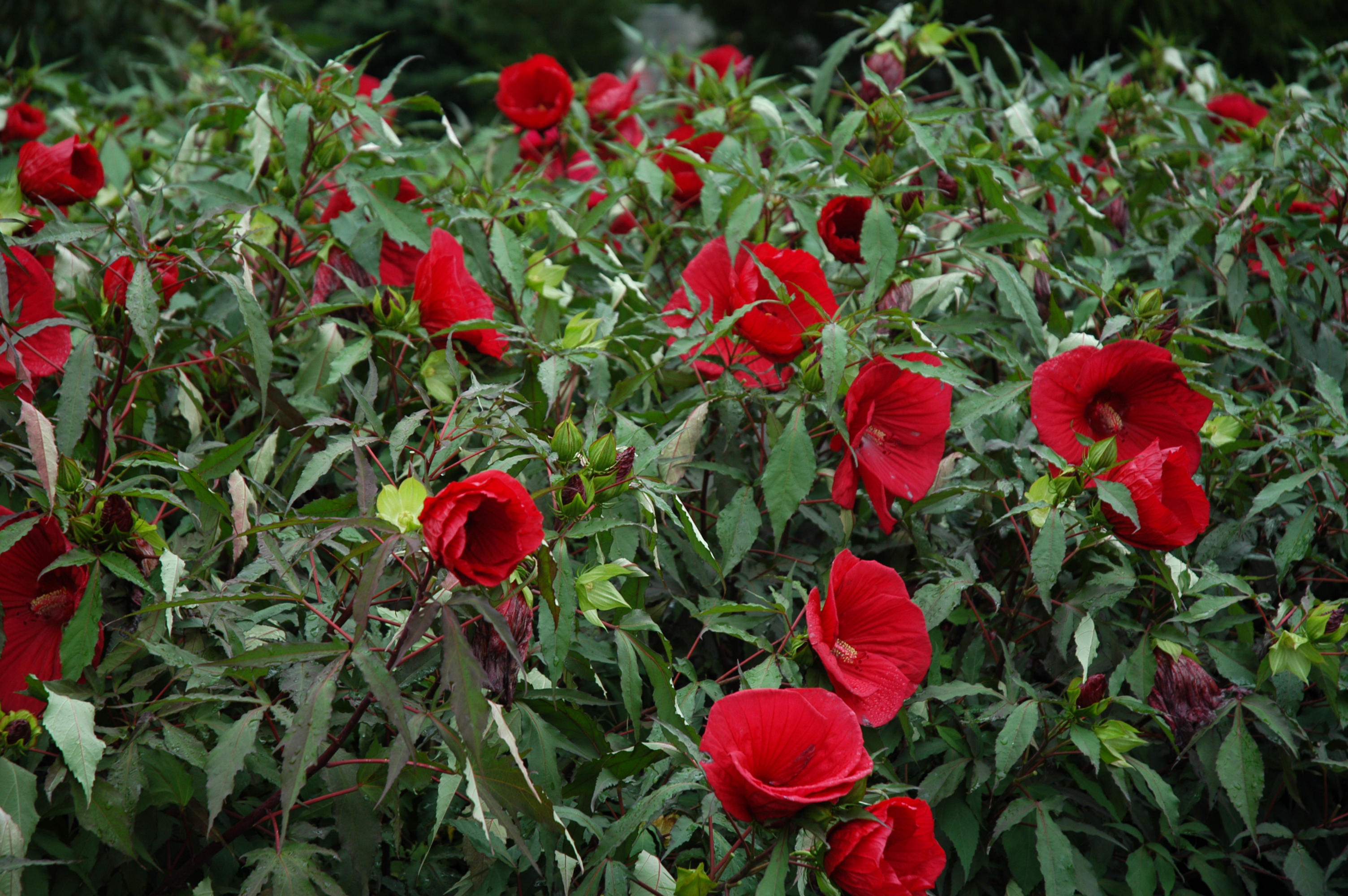
Perennial Fireball Hibiscus Google Images Hardy Hibiscus
Post a Comment for "The Fireball Plant: A Guide to Growing and Caring for this Fascinating Species"