Callisia: The Fascinating Plant You Need to Know About
Are you looking for a unique and visually appealing plant to add to your collection? Look no further than Callisia. This tropical plant is known for its colorful leaves and vibrant blooms, making it a favorite among collectors and enthusiasts alike. But there's more to Callisia than just its good looks. In this blog post, we'll explore the history, care, and unique characteristics of this fascinating plant.
Callisia is a genus of plants in the Commelinaceae family, which includes over 200 species. These plants are native to Central and South America, where they grow in tropical regions. Callisia is commonly known as the inch plant or turtle vine due to its small, round leaves that resemble tiny turtles.
The plant's popularity has grown over the years, thanks to its striking appearance and ease of care. Whether you're a seasoned collector or a beginner, Callisia is an excellent addition to any plant collection. Let's dive deeper into the world of Callisia and learn more about this fascinating plant.
History of Callisia
Callisia was first discovered by French botanist Charles Plumier in the late 17th century during his travels in the Caribbean. Plumier named the plant after his friend, Spanish botanist Francisco Callis, who was known for his work on the flora of the Canary Islands.
Over the years, Callisia has become popular among collectors and gardeners around the world. Today, there are several different varieties of Callisia available, each with its own unique characteristics and growing requirements.
Characteristics of Callisia
One of the most unique aspects of Callisia is its foliage. The plant features small, round leaves that come in a variety of colors, including green, pink, and variegated. Some species of Callisia also produce flowers, which are typically small and white or pink in color.
Callisia is a relatively low-maintenance plant, making it an excellent choice for beginner gardeners. The plant thrives in bright, indirect light and prefers well-draining soil. It's also important to keep the soil moist but not waterlogged, as too much water can lead to root rot.
How to Care for Callisia
If you're considering adding Callisia to your collection, it's essential to understand how to care for the plant properly. Here are some tips for keeping your Callisia healthy and thriving:
Light: Callisia prefers bright, indirect light, but it can also tolerate some shade. Avoid placing your plant in direct sunlight, as this can scorch the leaves.
Water: Water your Callisia regularly, but be careful not to overwater. Allow the top inch of soil to dry out before watering again.
Soil: Callisia prefers well-draining soil that's rich in organic matter. A mixture of potting soil and perlite or sand works well.
Fertilizer: Feed your Callisia once a month during the growing season with a balanced, water-soluble fertilizer.
Propagation: Callisia is easy to propagate through stem cuttings. Simply take a cutting from the parent plant and place it in a pot with moist soil. Keep the soil moist and wait for the cutting to root.
Uses of Callisia
In addition to its ornamental value, Callisia has several practical uses. In traditional medicine, Callisia has been used to treat a variety of ailments, including digestive issues, respiratory problems, and skin conditions. The plant contains several compounds that have anti-inflammatory and antioxidant properties, making it a popular choice for natural remedies.
Callisia is also used in landscaping and erosion control projects due to its ability to spread quickly and cover large areas. Additionally, some species of Callisia are used in the production of natural dyes, thanks to their vibrant colors.
Callisia is a fascinating plant with a rich history and unique characteristics. Whether you're looking for an ornamental plant for your collection or a natural remedy for various ailments, Callisia has something to offer. With proper care and attention, this tropical beauty can thrive in any home or garden. Give Callisia a try and discover the wonder of this fantastic plant.
Frequently Asked Questions
Q1: Is Callisia toxic to pets?
A1: Yes, some species of Callisia are toxic to pets if ingested. It's important to keep your plants out of reach of pets and supervise them when they're around plants. If you suspect your pet has ingested Callisia, contact your veterinarian immediately.
Q2: Can Callisia be grown outdoors?
A2: Yes, Callisia can be grown outdoors in warm, humid climates. However, it's important to protect the plant from direct sunlight and frost, as these can damage the leaves.
Q3: How often should I fertilize my Callisia?
A3: Feed your Callisia once a month during the growing season with a balanced, water-soluble fertilizer. Be sure to follow the instructions on the label and avoid over-fertilizing, which can lead to leaf burn.
Q4: How do I propagate Callisia?
A4: Propagating Callisia is easy. Simply take a stem cutting from the parent plant and place it in a pot with moist soil. Keep the soil moist and wait for the cutting to root.
Q5: What pests and diseases affect Callisia?
A5: Callisia is relatively resistant to pests and diseases. However, spider mites and mealybugs can sometimes infest the plant. To prevent these pests, keep your plant clean and well-ventilated.
Q6: How often should I water my Callisia?
A6: Water your Callisia regularly, but be careful not to overwater. Allow the top inch of soil to dry out before watering again. In general, Callisia prefers moist soil but can tolerate some drought.
Q7: Can Callisia be grown in a hanging basket?
A7: Yes, Callisia can be grown in a hanging basket. The plant's trailing stems make it an excellent choice for hanging baskets and other elevated planters.
Q8: What is the best temperature range for Callisia?
A8: Callisia prefers warm temperatures between 60-80°F (15-27°C). Avoid exposing the plant to extreme temperatures or drafts, which can damage the leaves.
Q9: How do I prune my Callisia?
A9: Pruning your Callisia is simple. Use clean, sharp scissors to remove any dead or damaged leaves or stems. You can also trim back the plant to encourage bushier growth.
Q10: How do I repot my Callisia?
A10: Repotting your Callisia is easy. Simply choose a pot that's slightly larger than the current one and fill it with fresh, well-draining soil. Gently remove the plant from its current pot and place it in the new one, filling in any gaps with soil. Water the plant thoroughly and allow it to settle in its new home.
14 Callisia Images

Callisia Repens Looks Very Similar To C Cordifolia Suculentas
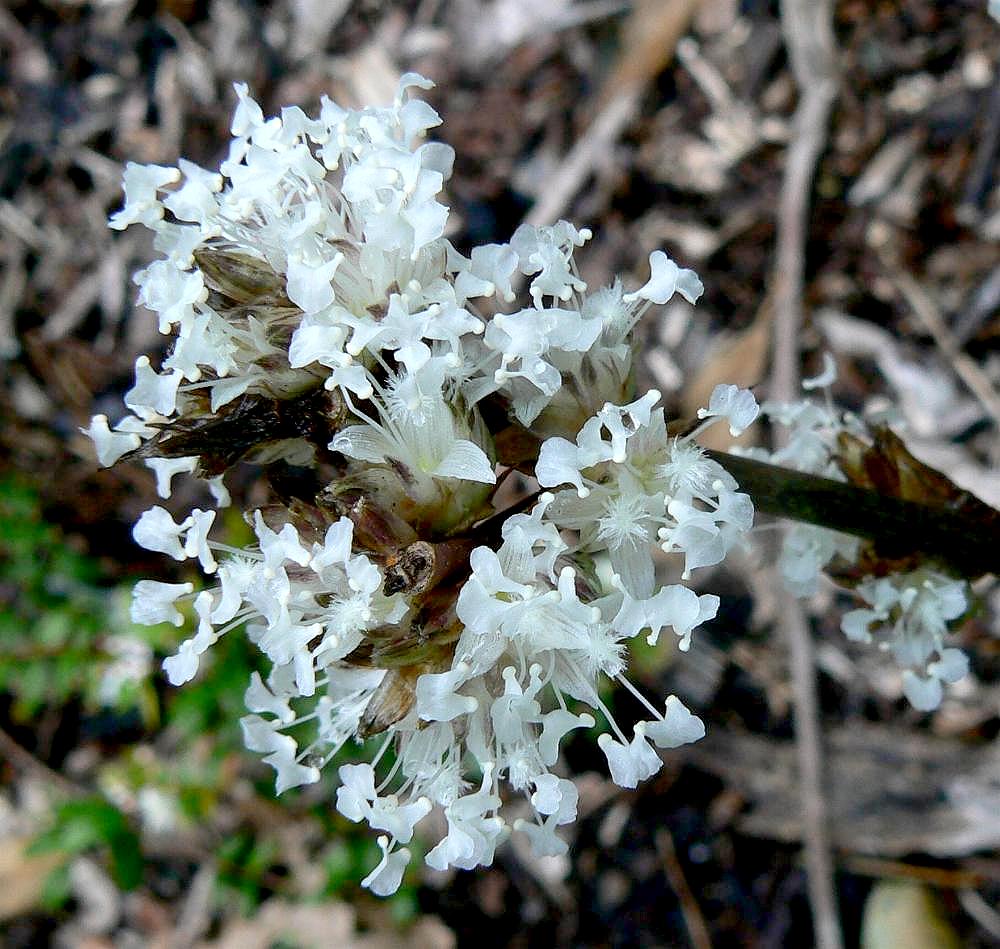
Callisiafragransjpg 1000949 Plants Color Earth

Callisia Fragrans In 2021 Plants

Callisia Soconuscenis Variegataalso Known As Callisia Congesta

2016

Callisia Fragans Plantas

Callisia Fragrans Variegata

Callisia Fragrans By Dyalma Pretty Plants Unusual Plants Plants

Callisia Repens Variegata Cuttings Sunnyplantscom House Plants

Callisia Gentlei Var Macdougalli Plants Planting Flowers Succulents

Callisia Fragrans Brazil Plants Succulents Garden Succulents

Callisia Repens Turtle Vine World Of Succulents In 2020 Garden

Callisia Repens Gold Golden House Plants Callisia Repens Plants

Callisia Repens Variegata Pink Variegated Bolivian Jew Plants
Post a Comment for "Callisia: The Fascinating Plant You Need to Know About"